
Series · TFA

Precision Filtration System

Metal or polymer sintered elements for low-solids, high-flow polishing and guard-filtration duties.

Discuss this system →Process principle →
TFA Precision Filtration System

Series

Precision Filtration System

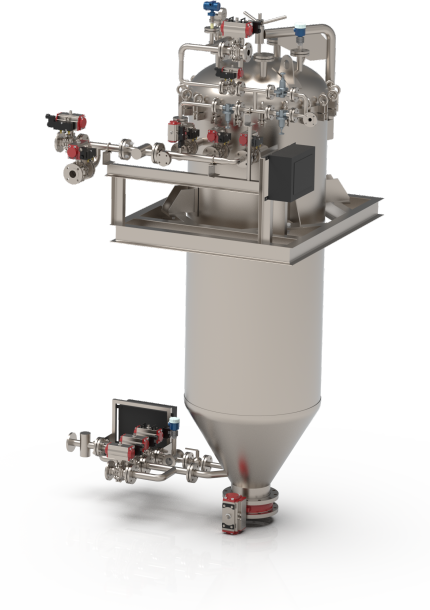
TFA uses sintered metal or polymer elements for repeatable initial retention. Blowback, backwash and heel-recovery options can be engineered for demanding filtrate quality and material compatibility.

Series
TFA
Operating mode
Low solids · High precision
Delivery format
Vessel / packaged unit / skid

TFA

Technical features

  1. 01Repeatable surface-filtration precision
  2. 02Metal and polymer element options
  3. 03Materials for high temperature and corrosive duty
  4. 04Modular automatic backwash and heel recovery

TFA

Typical applications

  1. 01Guard and final polishing
  2. 02Solvent and process-liquid purification
  3. 03Electronic chemicals
  4. 04Hot and corrosive services

2026 CATALOG SOURCE

TFA Precision Filtration System

Metal or polymer sintered cartridges for low-solids, high-flow precision and guard filtration, with selected continuous-thickening arrangements.

Product role

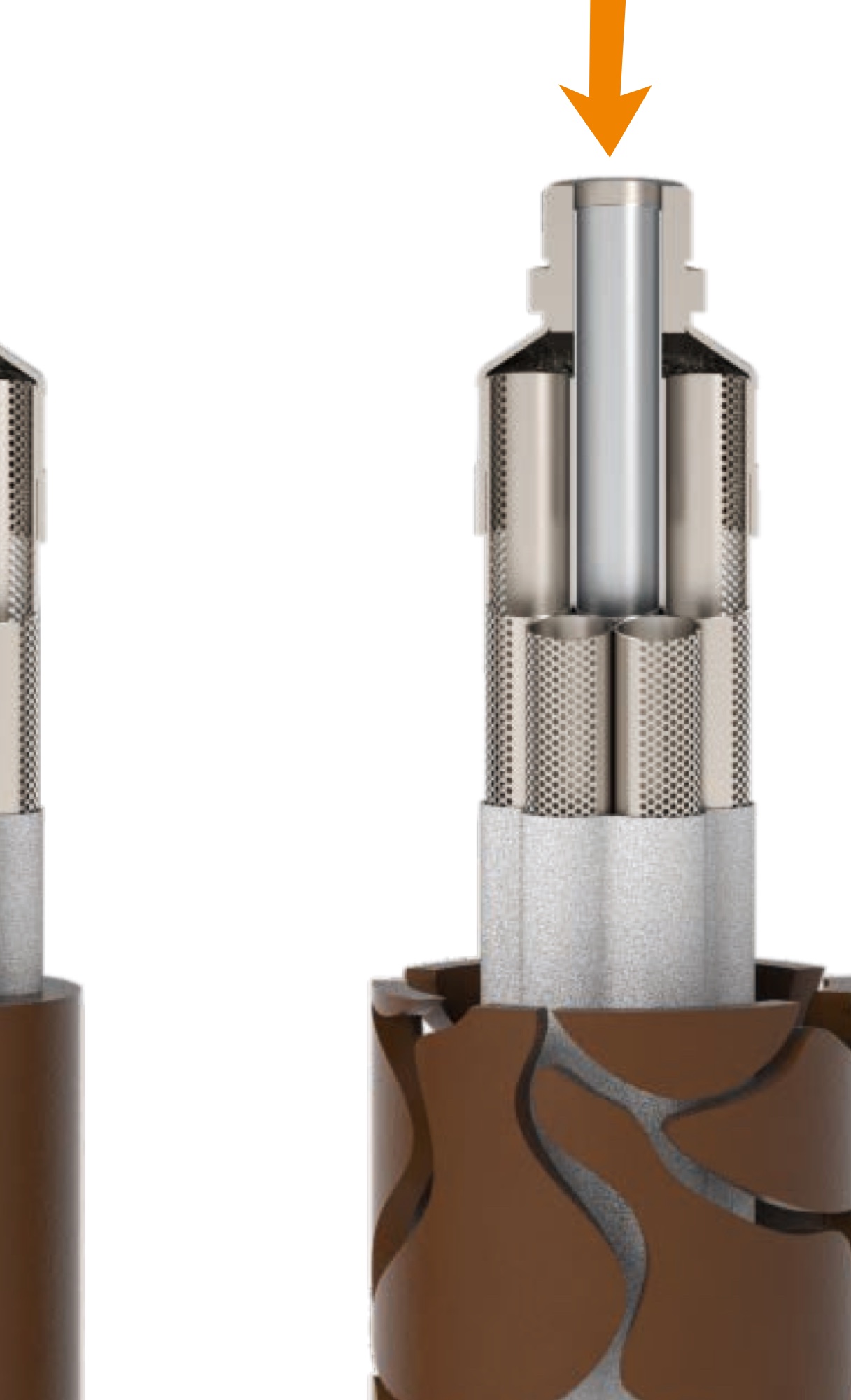
TFA uses metal or polymer sintered cartridges where a stable initial rating is required. It is generally suited to low-solids, high-flow polishing and guard filtration, with closed operation, blowback, backwash, chemical cleaning and automation options.

Sintered cartridges normally have less regeneration capacity than cloth. Solids loading, adhesion, particle embedment and cleaning method therefore determine cycle life. TFC should be evaluated where dry cake recovery or higher solids are central; TFB should be evaluated for continuous concentrated-slurry discharge.

Media options

  • Metal sintered cartridges for mechanical strength, temperature and selected corrosive duties.
  • Polymer sintered cartridges selected for chemical compatibility.
  • Element arrangement can be adapted for selected thickening duties after process validation.

Final rating, flow and cleaning interval follow actual-material testing and the approved technical specification.